


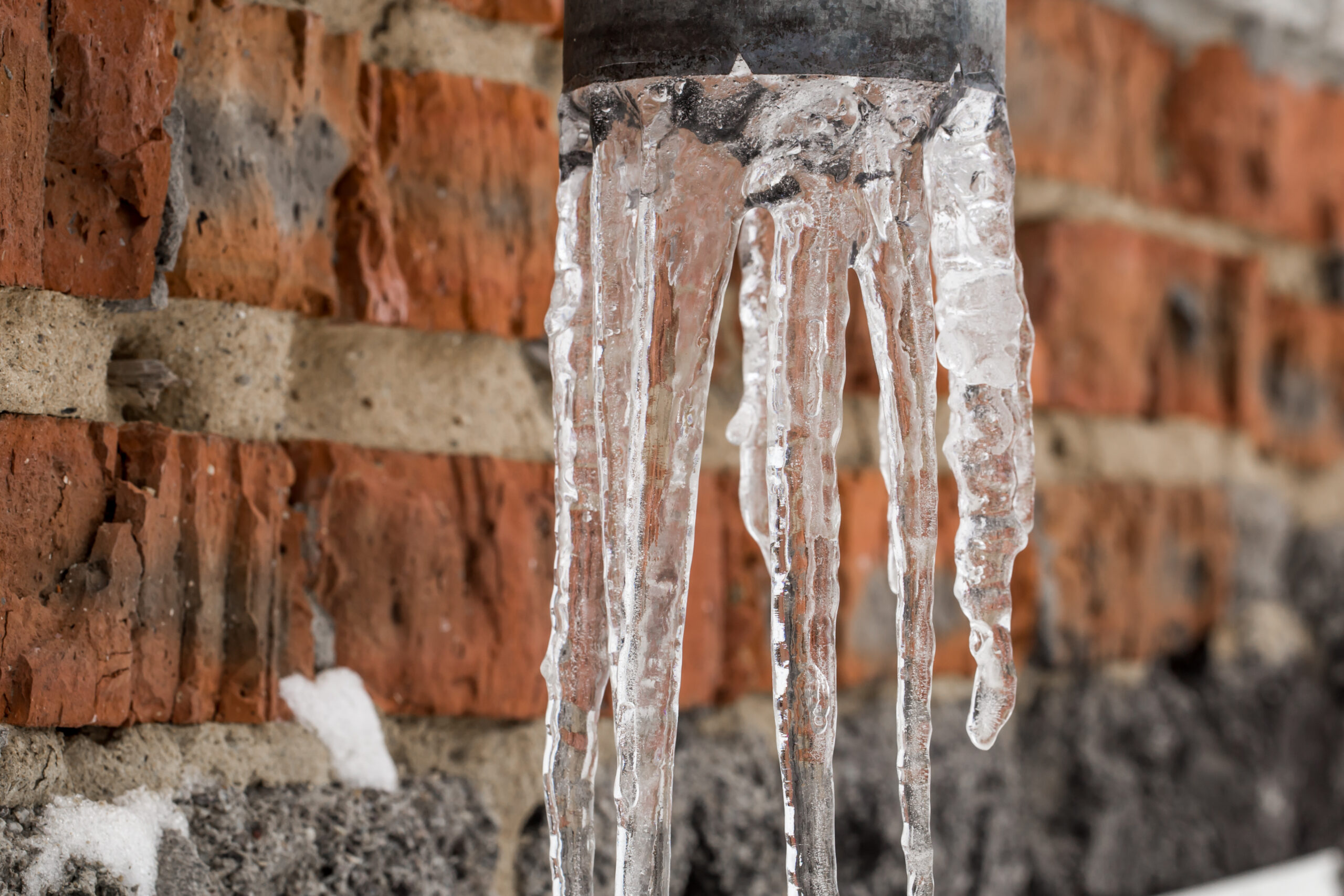
When temperatures drop below freezing, most homeowners focus on one major risk: a burst pipe. However, pipes do not need to burst to cause significant damage.
Hidden damage from frozen pipes often appears after thawing. Slow leaks, weakened joints, and hairline cracks can develop days or even weeks later. By the time visible signs emerge, moisture may already be affecting insulation, framing, or drywall.
Understanding how post-freeze damage occurs helps prevent larger structural repairs and unnecessary water damage.
Can Frozen Pipes Cause Damage Without Bursting?
Yes. When water freezes, it expands by approximately nine percent in volume. That expansion creates substantial internal pressure inside the pipe.
Even if the pipe does not rupture during the freeze, the stress can:
- Create micro-fractures in copper or rigid piping
- Weaken soldered joints
- Compromise fittings and valves
- Distort connection points
Once the ice melts and water pressure returns, those stressed areas may begin leaking.
In many cases, homeowners only discover the issue when they require professional frozen pipe repair after noticing moisture or pressure changes.
Why Damage Often Appears After the Thaw
The most confusing aspect of freeze damage is the delay.
During freezing conditions:
- Ice may temporarily block weakened sections
- Internal pressure builds behind frozen areas
After thawing:
- Ice melts and restores water flow
- Full pressure returns to the system
- Previously stressed areas reopen
- Small cracks expand under normal operating pressure
A pipe may appear completely functional immediately after temperatures rise. The leak develops gradually as the system stabilizes.
Types of Hidden Damage After Frozen Pipes
Hairline Cracks in Pipe Walls
Copper piping is especially vulnerable to expansion stress. These cracks are often too small to detect visually without opening walls.
Common indicators include:
- Staining on ceilings or walls
- Peeling paint
- Musty or damp odors
- Minor but consistent pressure reduction
Slow Leaks Behind Walls
Slow leaks are among the most damaging post-freeze issues. Even minimal water release can:
- Saturate insulation
- Promote mold growth
- Weaken wood framing
- Damage drywall
Because the leak develops gradually, detection is often delayed.
Joint and Fitting Failure
Expansion stress frequently affects elbows, couplings, and soldered joints. After thawing, fittings may begin dripping or separating slightly under pressure.
Partial Splits That Worsen Over Time
Some pipes develop partial splits that remain stable during freezing conditions. Once normal water flow resumes, pressure fluctuations can turn a minor split into a more serious leak.
Severe winter conditions often increase demand for both emergency plumbing services and post-freeze inspections once temperatures rise.
For an overview of how extreme cold impacts residential plumbing systems, see this article on emergency frozen pipe repair during Ontario’s extreme cold.
Warning Signs of Hidden Post-Freeze Damage
If your home has recently experienced a cold snap, monitor for:
- Unusual dripping or running water sounds inside walls
- Inconsistent or reduced water pressure
- Discolored tap water
- Warped flooring
- Ceiling stains
- Increased water bills without explanation
- Persistent mildew odors
Even subtle symptoms may indicate concealed damage within the plumbing system.
Why a Plumbing Inspection Matters After a Freeze
A professional plumbing inspection helps identify weaknesses before they escalate into structural problems.
A thorough inspection may include:
- Pressure testing the system
- Examining exposed piping
- Checking valves and shut-off points
- Identifying stress points at fittings
- Assessing vulnerable or previously frozen sections
Early detection of a compromised pipe can prevent secondary damage such as mold growth, drywall replacement, or flooring repairs.
If there is uncertainty about the condition of your system, scheduling a plumbing inspection after a freeze is a preventative measure that reduces long-term risk.
Frozen pipes may appear intact once temperatures rise, but internal stress does not always resolve with thawing. Recognizing the signs of hidden damage allows homeowners to act before minor weaknesses become major plumbing failures.